Building Digital Dexterity

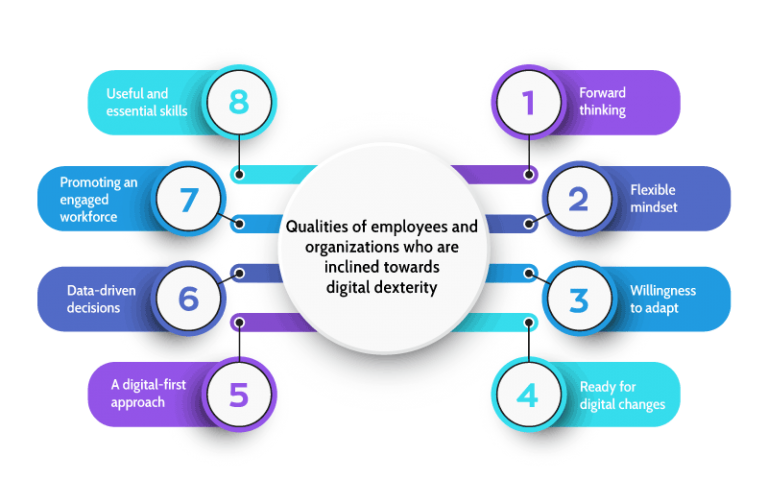
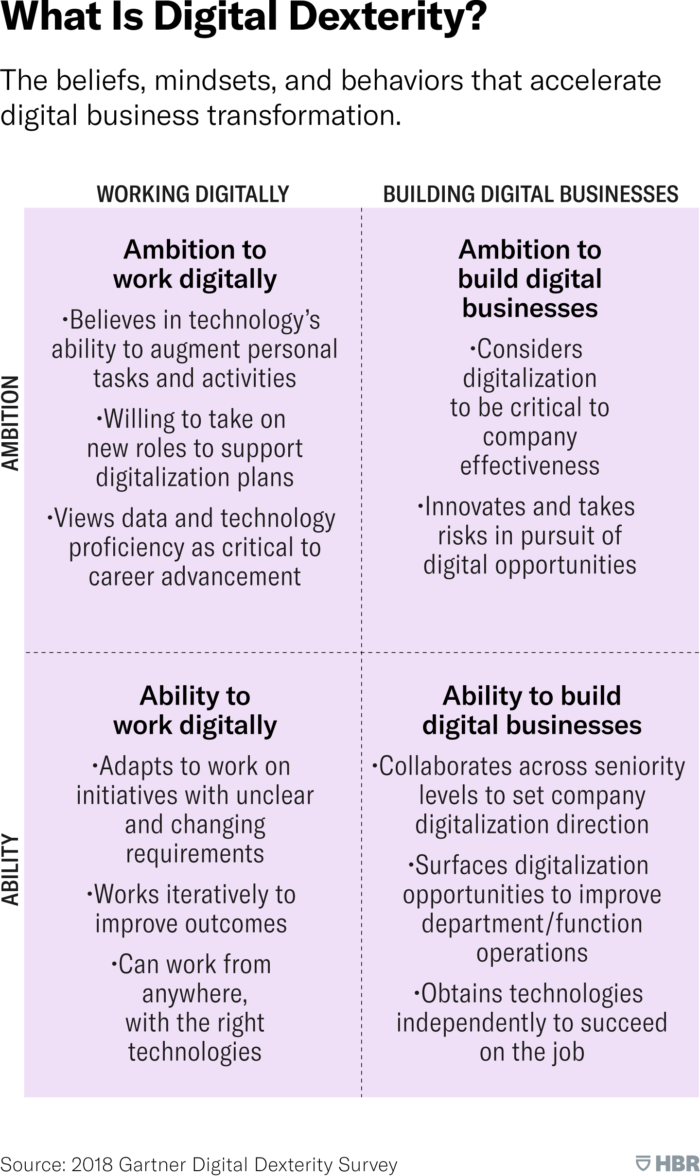
Harvard Business Review (HBR) have outlined a number of key details on Digital Dexterity.

https://hbr.org/2021/10/how-to-build-digital-dexterity-into-your-workforce

Key Learnings on Digital Dexterity

Digital Dexterity is Essential: Digital dexterity, defined as the ambition and ability to use technology for better business outcomes, is crucial for organizational success in the digital age.

Digital Dexterity is an Enterprise Skill: It’s not just an IT department concern; all employees, from leaders to frontline workers, need basic digital competencies.

Digital Dexterity is More Than Technical Skills: Behavioral attributes like an open mindset and agile ways of working are also essential.

Digital Dexterity Drives Successful Digital Transformation: Organisations with high digital dexterity are more likely to achieve successful digital transformation.

Traditional HR and IT Approaches Fall Short: The responsibilities for building digital dexterity often fall through the cracks between HR and IT departments.

Key statistics

  • 90% of midsize organizations plan to migrate to a hybrid work structure.
  • 93% of midsize organizations cut costs during the pandemic.
  • 69% of midsize companies plan to increase spending on digital tools in 2022.
  • Only 16% of all leaders have high digital dexterity.
  • High digital dexterity increases the likelihood of successful digital transformation by 3.3 times.

Understanding Digital Dexterity: A Worked Example

Before diving into strategies, let’s illustrate digital dexterity with a real-world example. Consider a customer service representative at a retail company. A digitally dexterous representative would be able to do all of the following:

Utilise CRM software effectively: Quickly access customer information, track interactions, and resolve issues efficiently.

Leverage social media platforms: Monitor brand mentions, engage with customers, and address concerns in a timely manner.

Utilise AI-powered chatbots: Handle routine inquiries, freeing up time for more complex issues.

Adapt to new technologies: Learn and adopt emerging tools like virtual reality or augmented reality for customer support.

Key Steps for Leaders: A Detailed Breakdown

Communicate the Importance of Digital Dexterity

Create a clear vision: Develop a compelling narrative explaining how digital dexterity aligns with the company’s strategic goals.

Use storytelling: Share success stories or case studies highlighting the benefits of digital dexterity.

Engage in open dialogue: Encourage discussions and feedback from employees to address concerns and build buy-in.

Example: A tech company could showcase how a digitally dexterous employee used data analytics to identify a new market opportunity, leading to significant revenue growth.

Foster a Digital-Friendly Environment

Invest in technology: Provide employees with the tools and infrastructure they need to be effective.

Simplify processes: Streamline workflows and eliminate unnecessary steps to improve efficiency.

Encourage experimentation: Create a culture where employees feel comfortable trying new technologies and approaches.

Example: A company could offer a “digital sandbox” where employees can experiment with emerging technologies without fear of failure.

Build Digital Capabilities Within the Team

Assess current skills: Conduct a skills assessment to identify gaps and areas for improvement.

Tailor development plans: Create personalized learning paths based on individual needs and career goals.

Leverage diverse learning methods: Offer a mix of online courses, workshops, and hands-on training.

Example: A company could partner with a digital skills training platform to provide employees with access to a wide range of courses.

Distill Digital Dexterity into Competencies

Identify core competencies: Define the specific skills and behaviors that are essential for digital dexterity in your organization.

Create competency models: Develop detailed profiles outlining the knowledge, skills, and abilities required for each role.

Align competencies with performance expectations: Integrate digital dexterity competencies into performance reviews and evaluations.

Example: A company could define core competencies such as data literacy, problem-solving, and adaptability, and incorporate them into job descriptions and performance goals.

Show Employees the Value of Digital Dexterity

Highlight career benefits: Emphasize how developing digital skills can lead to career advancement and increased earning potential.

Offer mentorship programs: Connect employees with experienced mentors who can provide guidance and support.

Recognise achievements: Celebrate employee successes and publicly acknowledge their contributions to digital transformation.

Example: A company could create a “Digital Champion” award to recognize employees who demonstrate exceptional digital dexterity and inspire others.

Provide Opportunities for Skill Development

Offer on-the-job training: Create opportunities for employees to learn and practice new skills in their current roles.

Encourage experimentation: Provide employees with the resources and support they need to try new technologies and approaches.

Facilitate peer-to-peer learning: Foster a culture of collaboration and knowledge sharing among employees.

Example: A company could organise “digital hackathons” where employees can work together to develop innovative solutions to business challenges. Drop in sessions to share quick tips and tricks that others may combine into novel solutions.

Identify and Leverage Digital Translators

Identify potential candidates: Look for employees with strong digital skills and a passion for sharing knowledge.

Provide training and support: Equip these individuals with the tools and resources they need to be effective coaches and mentors.

Create a network: Foster a community of digital translators and skill sharers who can support each other and share best practices.

Example: A company could establish a “Digital Mentorship Program” where experienced employees can volunteer to mentor their colleagues.

Wrap up

By implementing these strategies in a cohesive way and providing ongoing support, CIOs can create a self-sustaining culture of digital dexterity that empowers team members to thrive in the digital age.

Innovation unlocked

Convergence of MACH, Digital Dexterity, and AI unlocking unbounded innovation at pace

At the CIO Summit, we discussed convergence of three trends across integration, capability and intelligence so below is quick reflections on the topics.

MACH (Microservices, API-first, Cloud-native SaaS, Headless), Digital Dexterity, and AI. These elements are intertwine to create further human-digital integration and automation building on each other. Below we’ll cover them individually and then their combined strength to drive innovation.

MACH: The Backbone of our Digital World

MACH as a toolkit empowers us to build flexible, scalable, and efficient digital solutions. Microservices are like Lego bricks, allowing us to create modular applications with APIs as the glue communicating between different components. Cloud-native SaaS leverages the power of the cloud, providing scalability and flexibility. Headless architecture decouples the front-end from the back-end, offering greater customisation and agility particularly with AI.

MACH Alliance ensure technology is future-proofed and drive digital experiences

https://machalliance.org/the-mach-manifesto

Digital Dexterity: The Human Edge

While technology provides the foundation, it’s our team members’ digital dexterity that drives innovation. It’s about understanding how technology can solve problems, leading our organisations through the digital transformation journey, and continuously exploring new ways to leverage business value.

https://hbr.org/2021/10/how-to-build-digital-dexterity-into-your-workforce

https://quixy.com/blog/basics-of-digital-dexterity/

AI: Our (mostly) Intelligent Assistant

AI is rapidly evolving, transforming industries and reshaping the way we work. From chatbots to algorithms that can diagnose diseases, AI is becoming increasingly sophisticated. It’s augmenting our capabilities, automating routine tasks, providing insights, and making business truly global.

Convergence: A Powerful Force for Innovation

When we combine MACH, Digital Dexterity, and AI, we create a powerful force for innovation. This convergence is leading to:

  1. Hyper-Personalised, Evolving Experiences: We can deliver highly tailored experiences to our customers, that continually evolve.
  2. Intelligent Self-Healing Automation: Routine tasks can be automated across organisational boundaries, freeing up time to focus on more strategic and creative activities.
  3. Continuous Innovation: The modular nature of MACH architecture and the power of our people, supported by AI, enable us to adapt quickly (potentially automatically).

Exploring the possibilities

The future is full of potential. What if AI-powered virtual assistants that could anticipate our needs? Or imagine developing intelligent applications that could optimise themselves to reduce costs or find more data? Or brainstorming article topics, peer reviewing and publishing in different languages and formats based on customer signals and searches?

Questions for us to consider

As we navigate this potential, it’s important to ask ourselves:

✅️ How can we ensure that AI is used ethically and responsibly?

💖 How can we prepare our teams for the skills of the future?

🔥 What are the potential risks and challenges relying heavily on technology to automate?

The convergence of MACH, Digital Dexterity, and AI is shaping a new era of innovation. By embracing these trends, we can create a bright future (or a scary one if we get it wrong).

April 2024 Key Learnings

There is so much going on in the world of Data + AI, I thought I would summarise and challenge myself to a new format! This is my personal perspective informed by global research and experience.

⚠ Emerging Risks can no longer be ignored, impacting daily tasks
🤖 AI is nearing or exceeding human performance for many tasks
😟 AI Anxiety is increasing but not related to likely impacts to roles
👋 Business users need AI to power actions across the organisation
💾 All layers of data and techniques need to be considered
📈 Optimising LLMs can be expensive but key gains achieved easily

It’s not quite the end of the month but nothing interesting ever happens on a Tuesday 😁.

Creating presentations with Tome

Tome (Tome | Polished & Professional AI Presentations) is an AI-powered storytelling tool that’s leading the way to brainstorm create & share stories online. This brings together many elements in a single, clean interface that guides you through the journey of creating a quick and robust presentation.

You can start with a simple or complex prompt and generate outlines to organize your ideas. Then, you can use the new presentation experience to choose different formats and designs for each page. Tome lets you create presentations for any purpose and audience in minutes.

Below we will take you through an example. Once you have registered for free, you can start creating too! If you are interested in trying it out, check it on this referral link.

Creating an outline

Prompt: create a detailed presentation on the benefits and implementation plan for AI across a large enterprise with a focus on change, adoption and cost efficiency

Output: Tome has created a great outline based on the prompt I have provided.

Creating slides

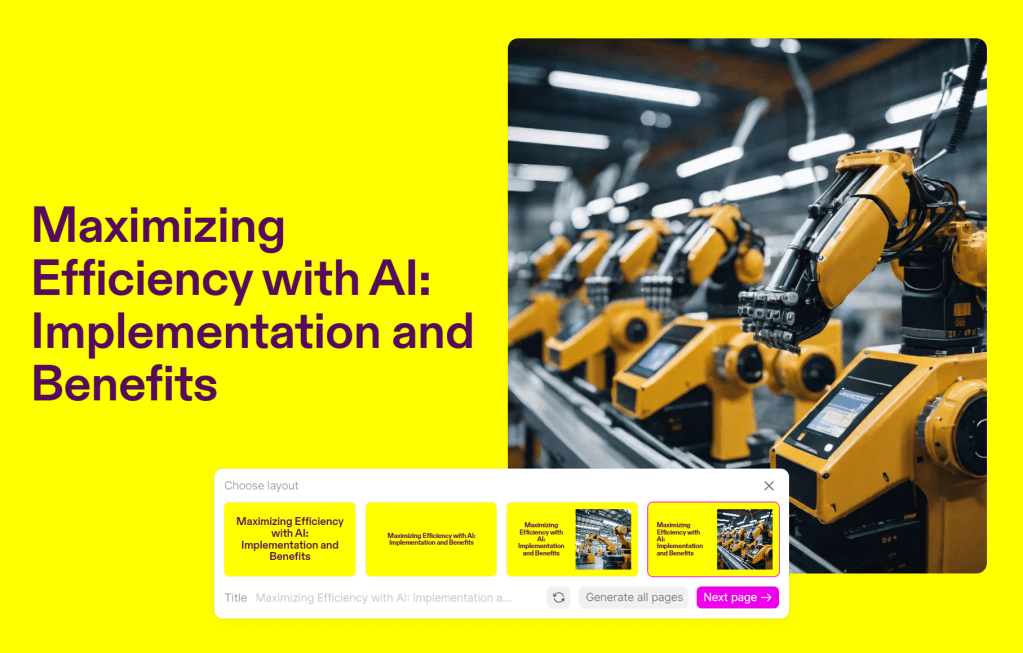
A few options for the presentation are generated (you can apply your own colours like we have here). Once a layout is chosen, you can generate all pages at once (or review page by page).

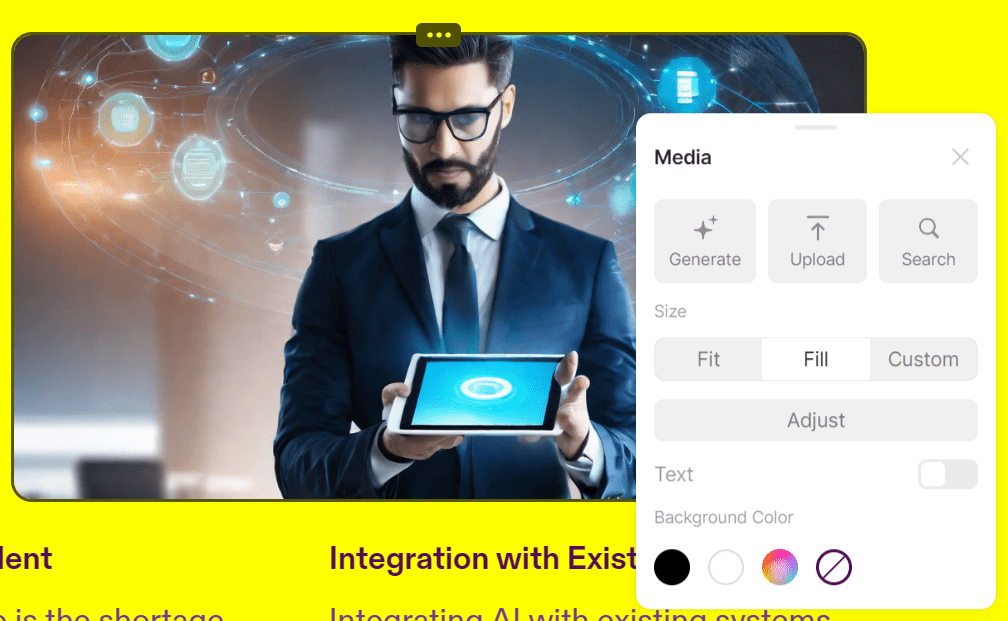
Without any editing, the slides reflect a good variety of headers, styles and pictures (as well as some that are text only). Remember here as well I have asked for a detailed presentation so may be longer than some slides for an Executive audience.

Adjusting slides

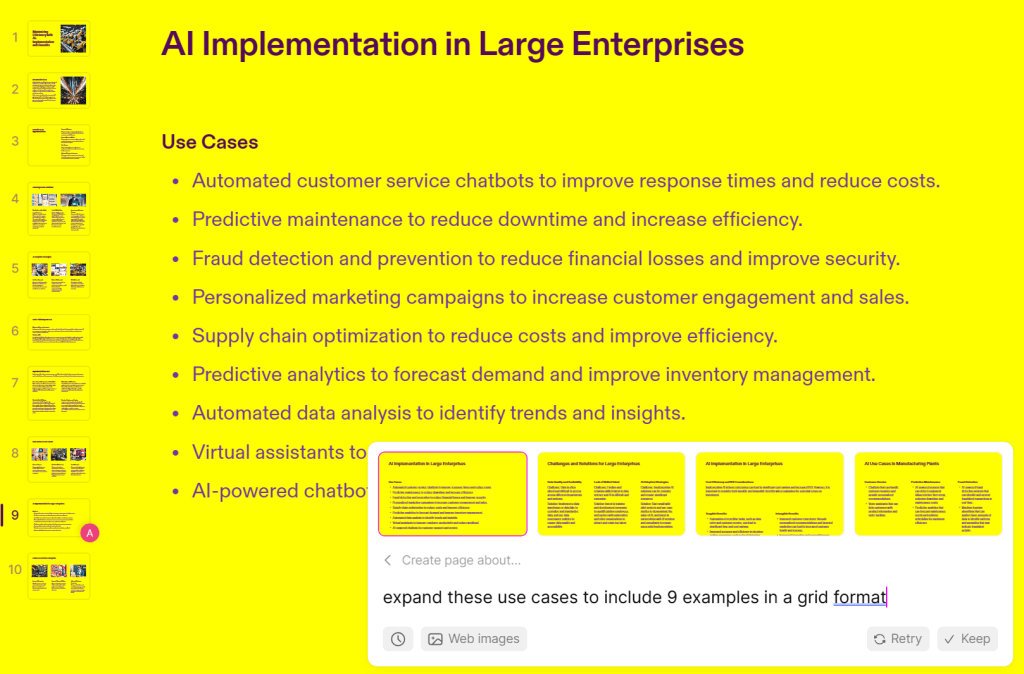
You can easily adjust the presentation using prompts, similar to when you create the presentation.

Prompt: expand these use cases to include 9 examples in a grid format

Output: Tome delivered on the 9 example use cases as requested but not in the format requested

Some observations

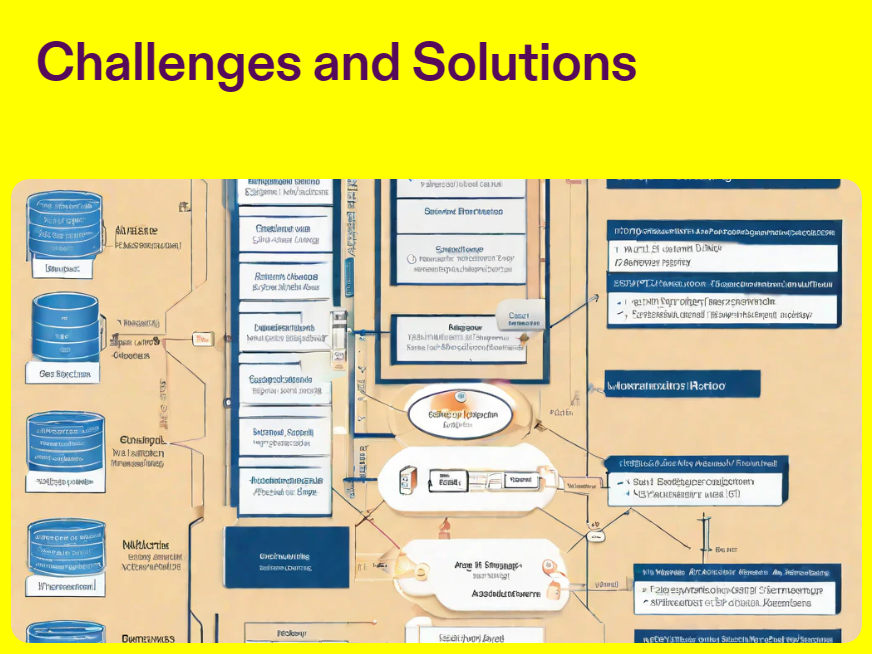
Odd diagrams

Like what happens in many AI generated images, there are detailed diagrams that appear from a distance to look believable but are very odd close up.

Limited layouts

The layout formats are restricted. This appears to achieve better looking presentations in a quicker time than many other free form presentation tools. The options to customise are limited and head towards generation as the first option (not unexpectedly).

Overall

Overall, Tome helps you create powerful presentations with AI using a structured workflow and good design principles. You can start from a prompt and take that through to page customisations to meet most needs. Their most recent feature release sums it up nicely:

Distill ideas quickly with AI

https://tome.app/blog/meet-generative-presentations-v2-how-to-make-your-best-work-in-tome

Enabling Copilot

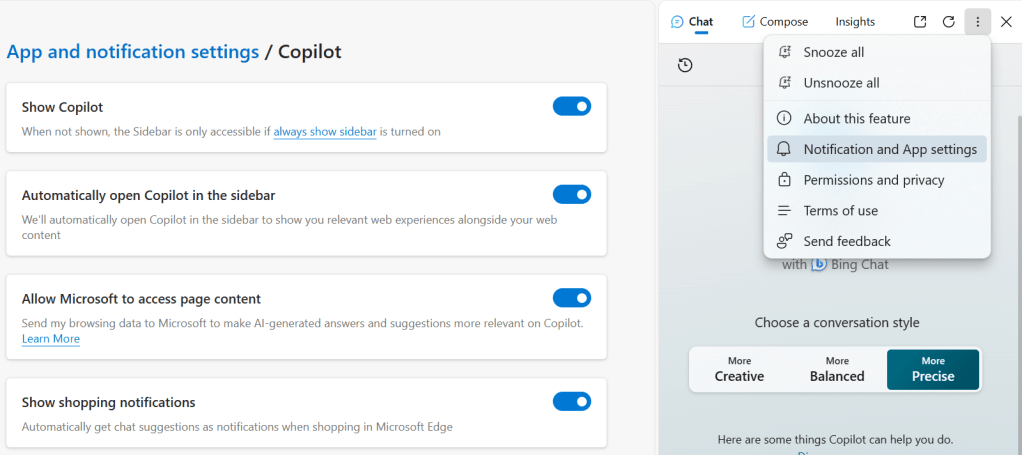
Copilot in Bing Chat can enable ready access to AI with a balance between current information (Bing) and the power of LLMs (via OpenAI). For Enterprise users, this can be enabled with controls in place.

Within Edge, by default Copilot doesn’t have access to the page content. You can enable this under “Notification and App settings” within Microsoft Edge.